
Introduction to the Dark World of Massage Parlours
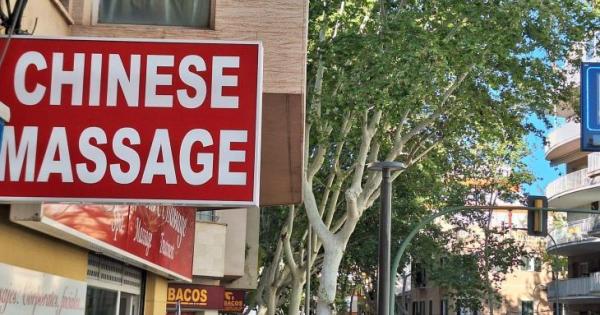
A recent documentary by Deutsche Welle has brought to light the disturbing reality of massage parlours in Mallorca, Spain. The investigation, which involved going undercover in these establishments, revealed that many of them offer sex rather than wellness treatments. This exposé has sparked outrage and raised important questions about human trafficking, exploitation, and the need for stronger laws to protect victims.
The Investigation: What the Reporters Found
During their visits to various massage parlours in Palma, the reporters were offered not only traditional massage services but also explicit sexual services, complete with price lists. The recordings, which included hidden camera footage, showed employees discussing the costs of various sexual acts, including hand jobs and blow jobs. The presence of small rooms with beds instead of massage tables further corroborated the suspicion that these establishments were not primarily focused on providing legitimate wellness services.
A former employee, whose voice was altered for security reasons, shared harrowing accounts of systematic abuse and exploitation within the industry. She described instances of physical assault, rape, and women being locked up and punished for attempting to hide money from their employers. Her testimony highlighted the dire need for increased protection and support for those trapped in this cycle of exploitation.
The Legal Landscape: Challenges in Combating Exploitation
Despite the damning evidence, law enforcement agencies in Mallorca face significant challenges in taking action against these establishments. The legal framework in Spain, where prostitution is not illegal but largely unregulated, creates a grey area that makes it difficult to distinguish between consensual sex work and forced prostitution or human trafficking. The lack of clear labour laws and uniform legal standards further complicates efforts to hold perpetrators accountable.
NGOs and social workers are calling for a more comprehensive approach to addressing this issue, emphasizing the need for stronger protection concepts, increased prevention work, and greater legal clarity. They argue that short-term closures of establishments alone will not solve the problem, as it fails to address the root causes of exploitation and does not provide adequate support to victims.
Global Implications: What Indian Investors and Citizens Can Do
The issue of sex trafficking and exploitation in massage parlours is not unique to Mallorca or Spain; it is a global problem that requires a concerted effort to combat. Indian investors and citizens can play a crucial role in raising awareness about this issue and supporting efforts to prevent exploitation. By investing in companies that prioritize human rights and ethical practices, individuals can promote positive change. Additionally, supporting organizations that work to protect victims of exploitation and advocate for stronger laws can help create a safer, more just world.
Conclusion: The Path Forward
The documentary exposing the dark side of massage parlours in Mallorca serves as a stark reminder of the need for continued vigilance and action in the fight against human trafficking and exploitation. By working together and supporting initiatives that prioritize human rights and dignity, we can create a world where such abuses are no longer tolerated. As Indian investors and global citizens, we have a responsibility to stay informed, raise awareness, and contribute to the efforts aimed at combating this critical issue.