
Introduction to Community Leadership and Health Governance
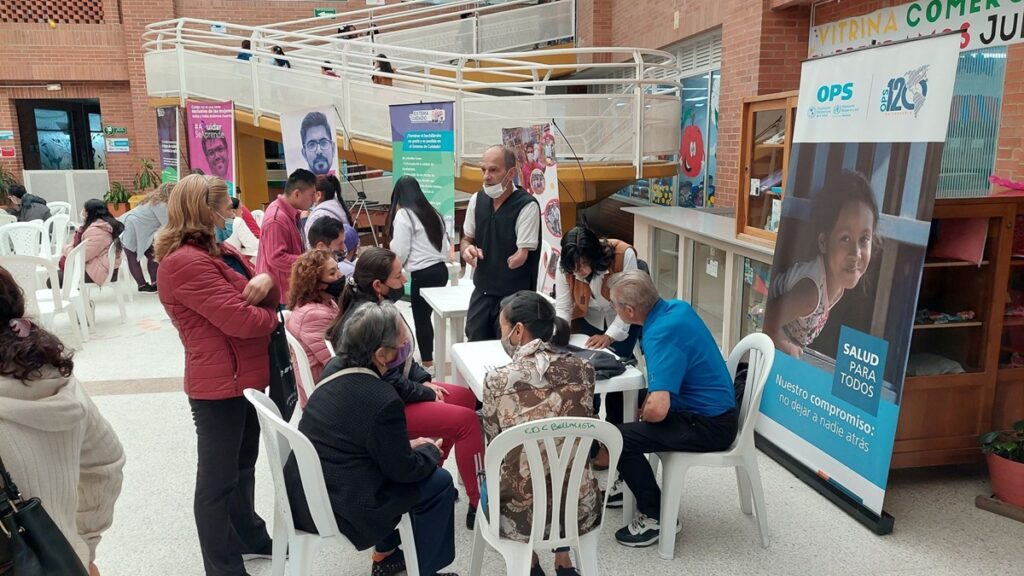
In a city facing rapid, unplanned urbanisation and urban density, social and community participation are key. The city of Bogota, Colombia, has embarked on an initiative to strengthen a collective health vision in their local government through co-creation practices, social participation, and intersectoral action. This approach has had a particularly positive impact in the locality of Kennedy, which has the highest percentage of persons with disabilities in the city.
The Importance of Disability Inclusion in Health Governance
Disability inclusion is a critical aspect of health governance, as it ensures that the needs of all members of the community are taken into account. By strengthening the leadership of the members of the Local Disability Council, the locality of Kennedy has seen significant improvements in social participation and has strengthened health governance. This approach has also had a positive impact on the overall well-being of the community, with improved access to healthcare, education, and social services.
As Indian stock market news continues to evolve, it is essential to consider the social and community aspects of health governance. By learning from the approach taken by Bogota’s Kennedy locality, India can work towards creating more inclusive and equitable communities.
Strengthening Community Leadership through Training and Capacity Building
The initiative in Bogota’s Kennedy locality began with two prioritization workshops, as part of the WHO Urbanlead program, in collaboration with the Kennedy Local Mayor’s office. Inclusive strategies were identified to enable persons with disabilities to engage, and training was provided for local leaders. This training process was instrumental in empowering community leaders and caregivers, enabling them to effectively communicate their needs and priorities.
Similarly, in India, investing in Indian stock market requires a deep understanding of the social and community aspects of health governance. By providing training and capacity building programs for community leaders and caregivers, India can work towards creating more inclusive and equitable communities.
Creating an Interactive Well-being Center for People with Disabilities
In 2023, more than 10 workshops were held to strengthen capacities in collective health, social participation, and intersectoral action. These workshops also helped narrow down priority areas by community actors: the need to ensure inclusion of adults with disabilities in health and social services. As a result, a proposal was put forward to develop an Interactive Well-being Center for people with disabilities, including their caregivers, and families.
This center aims to motivate people to continue strengthening their leadership and provide a platform for community members to support each other. By creating such a center, India can work towards providing more inclusive and equitable healthcare services, which is essential for Indian stock market trends and the overall well-being of the community.
Conclusion: Empowering Community Leadership in India
In conclusion, the approach taken by Bogota’s Kennedy locality provides a valuable lesson for India in terms of empowering community leadership and strengthening health governance. By learning from this approach, India can work towards creating more inclusive and equitable communities, which is essential for the overall well-being of the community and the Indian economy.